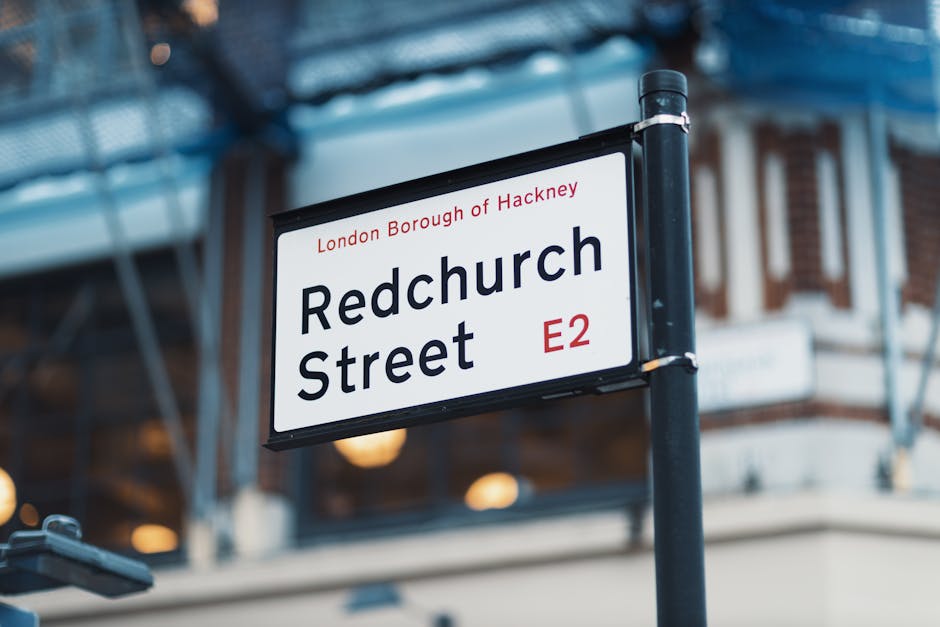
Booking confusion for Hackney man and van common problems

If you have ever tried to book a man and van in a hurry, you already know how quickly things can get muddled. One minute you are comparing sizes, timing and prices; the next, you are not sure whether you need a man and van service, a larger van, extra helpers, or a completely different type of move. That is the heart of Booking confusion for Hackney man and van common problems: unclear quotes, mixed messages, last-minute changes, and not quite knowing what is included.
To be fair, Hackney moves can be slightly chaotic anyway. Narrow streets, flats above shops, tight parking, stairs, storage units, awkward furniture, and the usual London time pressure all add up. This article breaks the process down in plain English so you can book with confidence, avoid the usual traps, and know what to check before anyone turns up at the kerb.
There is no mystery here, really. Most booking problems come from missing details, rushed assumptions, or a quote that looks simple until the day arrives. Let's sort that out.
Why Booking confusion for Hackney man and van common problems Matters
Booking confusion is not just annoying. It can affect cost, timing, and whether your move happens smoothly at all. In Hackney, that matters even more because journeys can look short on a map and still take longer than expected once you factor in access, loading restrictions, and traffic. A small misunderstanding can become a late arrival, extra labour, or a van that is simply too small for the job.
The most common problems usually fall into a few buckets:
- the customer thinks the price includes everything, but it only covers basic transport;
- the mover assumes the collection point has easy access, but it is a third-floor walk-up;
- the booking is made for the wrong van size;
- the time slot is too tight for loading, travel, and parking;
- important details such as fragile items, dismantling, or waiting time are left out;
- the terms were not read, which is a classic one, and nobody loves that moment.
Most of the frustration comes from a gap between expectation and reality. If you understand the likely pressure points early, you can avoid paying for the wrong thing or scrambling on moving day. That is especially useful if you are comparing pricing and quotes, because a good quote should be clear enough that you can see what is included without detective work.
Expert summary: The biggest booking problems are not usually caused by the move itself; they come from unclear details, rushed assumptions, and not matching the service to the actual job.
How Booking confusion for Hackney man and van common problems Works
A man and van booking should be simple: you explain what needs moving, where it is going, when you need it, and any access issues. In return, you get a price or estimate, a schedule, and a service scope. In practice, the process gets messy when either side leaves out information.
Here is the typical flow:
- You describe the move, often by phone, form, or message.
- The provider estimates the vehicle size, time required, and labour.
- A quote is given, sometimes fixed, sometimes based on time.
- The booking is confirmed, with date, collection time, and any conditions.
- On the day, the crew arrives, loads, travels, and unloads.
Where does confusion creep in? Usually at the quote stage. A customer may say "just a few boxes and a sofa" when the job also includes a bed frame, wardrobe, stair access, and a long walk from the van. Or the opposite happens: the service sounds bigger than needed, so the customer pays for capacity they never use.
That is why many people find it helpful to review the basics of a man with van or compare it with broader removal services before booking. Not because one is always better, but because the right fit depends on the volume, speed, and complexity of the job.
A simple way to think about it: if you can clearly picture the items, access, timing, and destination, the booking gets easier. If any one of those is fuzzy, the quote will probably be fuzzy too. And fuzzy usually costs more later. Funny how that works.
Key Benefits and Practical Advantages
When the booking is handled properly, the benefits are obvious. You save time, reduce stress, and avoid overpaying for a move that should have been straightforward. But there are a few less obvious wins too.
- Better pricing clarity: you know whether you are paying for transport, loading help, waiting time, or extras.
- Right-sized vehicle choice: no more squeezing a mattress into a van that was clearly meant for suitcases and optimism.
- Less disruption: the move is less likely to run into work hours, school runs, or parking issues.
- Fewer delays: accurate information means fewer surprises on collection day.
- Safer handling: fragile or bulky items can be planned for properly.
There is also a trust benefit. Clear booking conversations often lead to smoother service on the day because everyone knows what was agreed. That helps with local moves, student relocations, small office transfers, and furniture pick-ups. If you are moving a handful of items rather than a full house, the difference between a rushed booking and a tidy one is enormous.
For many people, the real advantage is peace of mind. You are not left wondering, halfway through a Tuesday morning, whether the van is still coming or whether the quote secretly excluded the stairs. You know. Or at least, you should know.
Who This Is For and When It Makes Sense
This topic matters to a wide mix of people. If you are reading because you are moving in or around Hackney, you are probably in one of these situations:
- a flat move with limited furniture;
- a student move at the start or end of term;
- a same-day collection from a marketplace or storage unit;
- a small office relocation or equipment transfer;
- a house move where you only need help with the larger items;
- a furniture pick-up after buying second-hand pieces;
- a last-minute move where time matters more than anything else.
It also makes sense for anyone who has booked a transport service before and ended up thinking, "Well, that was not quite what I thought I ordered." If that sounds familiar, you are definitely not alone.
People often compare moving van options, removal van capacity, and full removals support without fully knowing the difference. This guide helps you make that choice with a bit more confidence, which is always handy when the clock is ticking.
Step-by-Step Guidance
If you want to reduce booking confusion, start with the facts, not the guesswork. A little preparation goes a long way.
- List everything that needs moving. Include boxes, furniture, appliances, awkward items, and anything fragile.
- Note access details. Stairs, lifts, narrow hallways, parking limits, long carries, and locked entrances all matter.
- Decide what help you need. Just a vehicle? One helper? Two people for lifting? Packing support?
- Check the timing. Think about loading time, travel time, unloading, and possible traffic delays.
- Ask what the quote includes. Look for mileage, waiting time, labour, congestion-related delays, and any extra charges.
- Confirm vehicle size. If in doubt, describe the largest item first. That usually tells the real story.
- Read the terms before paying. It sounds obvious. Still worth saying.
- Save the confirmation. Keep the booking details somewhere easy to find on the day.
If you are moving a home rather than just a few items, it is worth comparing this with home moves or even house removals if the job is more involved. Sometimes the cheapest-looking option is not actually the most suitable one once the details are laid out properly.
A useful habit: send photos of the larger items and access points. Not glamorous, but it saves time. A couple of pictures of the staircase, the front entrance, and the biggest sofa can prevent a lot of awkwardness later. You will notice how much smoother the conversation becomes.
Expert Tips for Better Results
In our experience, the best bookings are the ones where nobody has to guess. That is the theme running through all of this, really. A few practical habits make a big difference.
- Be specific about item size: "double bed frame" is better than "bed stuff."
- Tell them about access early: especially if parking is tricky or the entrance is shared.
- Ask whether dismantling is included: wardrobes and beds often need it.
- Check whether loading help is timed or unlimited: that detail changes the cost structure.
- Confirm the collection window: not all jobs begin at an exact minute, and that is worth knowing.
- Keep fragile or high-value items separate: if something needs extra care, say so plainly.
- Allow for buffer time: even a tidy move can take longer if the lift is busy or traffic is ugly.
It is also sensible to ask how the service handles waiting time, parking issues, and late access. That sounds slightly fussy, perhaps, but it is exactly the kind of question that prevents later arguments. And nobody wants a moving-day debate on the pavement while the kettle is already in the van.
If your move involves bulky or delicate furniture, it may help to look at furniture pick up support or add packing and unpacking services when time is tight. The right add-ons can actually make the day cheaper overall by cutting delays and reducing damage risk.
Common Mistakes to Avoid
Most booking problems repeat because people make the same handful of mistakes. Nothing dramatic. Just human stuff.
- Underestimating volume: the "it's only a few things" move that turns into three loads and a sore back.
- Ignoring parking realities: Hackney streets are not always forgiving, especially during busy hours.
- Forgetting the stairs: if the van cannot park close, time and effort increase fast.
- Not asking about insurance: you want to know how items are handled if something goes wrong.
- Booking too tightly: a 30-minute slot for a complicated load is optimistic at best.
- Assuming the lowest quote is the best value: often it just means fewer services are included.
- Leaving fragile items unmentioned: that is how avoidable damage happens.
One of the most common errors is treating a moving booking like a taxi booking. It is not. A man and van job can involve loading, sorting, securing, lifting, navigating, and unloading. That takes planning. A quote that seems "a bit off" usually looks that way because something important was not described.
Another trap? Not checking the provider's service pages before you book. If you are comparing options, the distinction between man with van removal, man and van removals, and broader removal company support can help you decide whether you need a quick carry, a fuller service, or something in between.
Tools, Resources and Recommendations
You do not need fancy software to book well. A notebook, your phone camera, and a basic checklist are often enough. Still, a few simple tools make things cleaner.
- Photo list: take pictures of the items and access points.
- Room-by-room inventory: especially useful for flats and house moves.
- Simple timing plan: note when keys are available, when parking is possible, and when lift access might be busy.
- Message template: reuse the same clear request so you do not forget the important bits.
- Folder for booking details: keep confirmation, payment notes, and contact information together.
For readers who like a more structured move, a few website pages are worth a look. Pricing and quotes helps you understand how estimates are framed, while insurance and safety is useful if you are thinking about item protection and handling standards. If you want background on how the business presents itself, about us gives more context.
And if you are the kind of person who likes to tick the policy boxes before paying for anything, payment and security and terms and conditions are sensible reading. Not thrilling, admittedly. But useful. Very useful.
Law, Compliance, Standards, or Best Practice
For a man and van booking, the biggest legal and practical points are usually about clarity, safety, and fairness. The exact obligations will vary depending on the service, job type, and commercial setup, so it is wise to rely on the provider's stated terms rather than making assumptions.
Good practice usually includes:
- clear pricing information before work begins;
- transparent booking conditions;
- safe loading and unloading methods;
- reasonable handling of customer property;
- appropriate insurance arrangements for the job;
- honest communication if access or timing changes.
If the move is commercial, there may be extra considerations around building access, business interruption, and scheduling. In those cases, a dedicated commercial moves or office removals service may be more suitable than a simple local lift-and-carry.
Best practice is often more important than any single rule. Ask clear questions, confirm the scope, and keep a written record. That protects everyone. It also reduces the chance of that awkward moment where each side remembers the conversation a little differently. Happens more than you'd think.
Options, Methods, or Comparison Table
Choosing the right service depends on how much you are moving and how much help you need. Here is a simple comparison to make the decision easier.
| Option | Best for | Pros | Watch-outs |
|---|---|---|---|
| Man and van | Small to medium moves, flexible jobs | Quick, practical, often cost-effective | May not suit very large or complex moves |
| Man with van | Single-room moves, furniture, storage runs | Simple booking, good for straightforward transport | Check labour, waiting time, and access details |
| Removal van | Heavier loads or more items | More space, better for bulkier moves | May cost more if you do not need the extra capacity |
| Full removals | House moves and more involved relocations | More support, better for complexity | Usually more planning needed |
If you are unsure, ask yourself one question: am I paying mainly for transport, or am I paying for help with the move itself? That answer usually points you in the right direction. For broader context, movers and removals near me can also help you compare the language used across service types.
Case Study or Real-World Example
Here is a realistic example from a typical Hackney move. A tenant needs to move from a second-floor flat near a busy high street into a new place a few miles away. On paper, it sounds easy: a bed, a small sofa, two chests of drawers, and about ten boxes. Easy enough, right?
Then the details come out. The sofa will not fit through the narrow stair turn unless it is angled carefully. Parking outside is limited to a short loading window. The bed frame needs partial dismantling. The lift in the new building is available, but only from a separate entrance around the corner. Suddenly, the "quick job" is not so quick.
In a booking that goes well, those details are shared upfront. The provider sends the right vehicle, allows enough time, and brings the right number of people. The quote is a little higher than the customer's first guess, but the move is smooth and nobody is trying to wedge a mattress into a doorway at 6:40pm.
In a booking that goes badly, the items were described too loosely. The van arrives too small, the move overruns, and the final bill climbs because the access was more complicated than expected. Same move. Very different outcome.
That contrast is why communication matters so much. Not because anyone is trying to be difficult, but because the real world has stairs, parking bays, and awkward corners.
Practical Checklist
Use this checklist before you confirm your booking.
- Do I know exactly what items are going?
- Have I listed anything fragile, heavy, or awkward?
- Have I shared collection and delivery addresses clearly?
- Have I mentioned stairs, lifts, parking, or long walking distances?
- Do I know whether loading help is included?
- Have I checked whether dismantling or reassembly is needed?
- Is the van size suitable for the largest items?
- Do I understand the quote and any extra charges?
- Have I checked the payment terms and booking conditions?
- Have I saved the confirmation and contact details?
- Am I clear on the time window and expected duration?
- Have I told the provider if anything could change on the day?
If you can tick most of those off, you are in good shape. If not, slow down a little and fill the gaps. Five extra minutes now can save a full hour later. Sometimes more.
Conclusion
Booking confusion for Hackney man and van common problems usually comes down to the same few things: unclear item lists, access surprises, wrong vehicle size, and quotes that do not fully explain what is included. Once you know those pressure points, the whole process gets much easier to manage.
The best move is the one that is planned properly, explained clearly, and matched to the real job rather than the hopeful version of it. If you take away one thing, let it be this: be precise, ask simple questions, and do not rush the booking just to get it off your mind.
The result is less stress, fewer surprises, and a move that feels more under control. And honestly, that is worth a lot on a busy Hackney day.
Get a free quote today and see how much you can save.
Frequently Asked Questions
What causes the most booking confusion with a Hackney man and van?
The biggest causes are vague item lists, unclear access details, and assumptions about what the price includes. A move can look simple until stairs, parking, or bulky furniture appear.
How do I know if I need a man and van or full removals?
If you are moving a few items or a small-to-medium load, a man and van is often enough. If the move involves a full household, lots of furniture, or more coordination, fuller removals support may fit better.
Why does my quote change after I give more details?
Because more detail changes the amount of labour, time, and space needed. A quote can only be accurate if the provider knows the real workload, including access and item size.
Should I send photos before booking?
Yes, if possible. Photos of the furniture, stairs, entrance, and parking area help remove guesswork. It is one of the easiest ways to avoid misunderstandings.
What if I only need furniture collected?
Then a smaller, more focused service may be enough. A furniture pick up arrangement can be more efficient than booking a larger move you do not need.
Can I book a same-day move in Hackney?
Sometimes yes, depending on availability. Same-day bookings are often possible for smaller jobs, but they leave less room for checking access and confirming the right vehicle.
Do I need to mention stairs if the flat is only on the first floor?
Yes. Even a short flight of stairs affects loading time and effort. It may not seem like much, but it can change the quote and the planning.
Is the cheapest quote always the best choice?
No. A lower quote can simply mean that fewer services are included, or that the booking terms are stricter. Always compare what is covered, not just the number at the bottom.
What should I check before paying a deposit?
Check the date, address, time window, vehicle size, included labour, cancellation terms, and any additional charges. If the booking conditions are unclear, ask before paying.
Are man and van services suitable for office moves?
They can be, especially for smaller office transfers or equipment runs. For larger or more sensitive business moves, a dedicated office relocation services or office removals option may be more suitable.
How far in advance should I book?
As early as you can, especially if you need a specific day or time. Last-minute bookings can work, but they usually leave less room to sort out the details properly.
What if I am not sure how much space I need?
Describe the biggest items first, then the number of boxes or bags. If you are still unsure, ask for guidance and mention access details. That usually helps narrow it down quickly.
Where can I check service details before booking?
You can review the relevant pages on service scope, pricing, safety, and terms before you commit. A little reading now can save you a lot of back-and-forth later.
And if you are still weighing up options, take your time. A clear booking is a calmer move, and a calmer move is usually a better one.