Dalston Hackney removals checklist for flats on Mare Street E8
Posted on 02/06/2026
Moving out of a flat on Mare Street E8 can be straightforward, but only if you prepare for the small things that always seem to cause the biggest headaches. Narrow stairwells, parking pressure, lift access, awkward corners, and the usual last-minute rush can turn a simple move into a slightly frantic one. This guide to the Dalston Hackney removals checklist for flats on Mare Street E8 is designed to keep things calm, organised, and practical from the first box to the final handover.
Whether you are leaving a studio near Dalston Junction, a top-floor flat close to the bustle of Hackney Central, or a shared apartment off Mare Street itself, the job is really the same: protect your belongings, avoid delays, and make sure nothing important gets left behind. You will also find a few local-minded tips that matter in real life, not just on paper. And yes, a proper checklist helps far more than most people admit.
If you are still comparing moving help, it can be useful to look at flat removals in Hackney, broader removals in Hackney, and the full range of removal services in Hackney before you commit. The right level of support depends on the flat, the access, and how much lifting you actually want to do yourself.
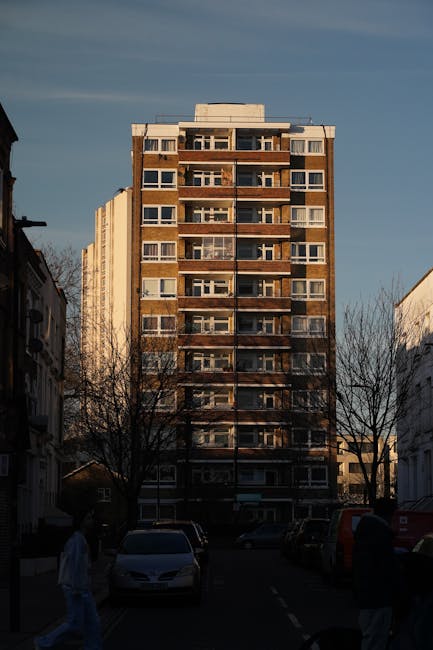
Why Dalston Hackney removals checklist for flats on Mare Street E8 Matters
Flat moves in this part of Hackney tend to be less about distance and more about logistics. You may only be moving a mile or two, but the effort is rarely small. On Mare Street, the rhythm of the road, parking availability, shared entrances, and the shape of older residential buildings can make timing everything. A decent checklist keeps the day from becoming a blur.
The biggest reason it matters is simple: flat moves have lots of tiny moving parts. Keys, inventory, elevator slots, box labels, recycling, council-bin timing, and access arrangements all need attention. Miss one of them, and you are either delayed or standing in the hallway wondering where the kettle went. Not ideal.
In our experience, the people who feel least stressed on moving day are not the people with the fewest belongings. They are the ones who planned the sequence. They packed with intention, checked access in advance, and knew which items had to be kept with them rather than sent on the van.
This is especially true for flats on Mare Street E8, where you may be dealing with compact hallways, resident parking rules, shared stair access, or neighbours who would quite like to keep the corridor clear, thank you very much. A good removals checklist respects all of that while keeping your own move efficient.
Expert summary: A flat move is not just about transporting items. It is about reducing friction. When the packing, timing, and building access are planned properly, the whole move feels smaller than it looked on the calendar.
How Dalston Hackney removals checklist for flats on Mare Street E8 Works
The checklist works by breaking the move into stages. That sounds obvious, but people often skip this bit and then try to do everything at once. Better to think in layers: prepare, pack, confirm, move, and settle. Each layer removes a few more bits of pressure.
For a flat on Mare Street, the order usually matters more than the number of boxes. Start by checking your lease terms or letting-agent instructions about move-out times, access, and any requirements for leaving the property clean and undamaged. Then build backwards from moving day. Once you know when the van can arrive, everything else gets easier to fit around it.
If you want practical support rather than trying to juggle everything alone, many people look at a local option such as man and van Hackney or a more structured removal van in Hackney. For smaller flat moves, that can be the difference between a tense scramble and a clean handover.
The checklist is also useful because it helps you identify what needs special handling. A bookcase may be simple; a mirror, bike, or record collection is not. A checklist gives each item a job. It sounds a bit dull, but dull is good on moving day.
Key Benefits and Practical Advantages
A solid removals checklist does more than keep you organised. It reduces avoidable costs, protects fragile items, and makes it easier to brief anyone helping you. That includes friends, landlords, building managers, or a professional team.
- Less chance of forgetting essentials: documents, chargers, medication, keys, and meter readings are easier to track when they are written down.
- Faster loading and unloading: labelled boxes and room-based packing save time, especially in flats with limited hallway space.
- Lower breakage risk: when fragile items are packed earlier and separated properly, they are less likely to get damaged.
- Better building access management: you can pre-arrange lift use, parking, and door codes instead of discovering the issue at 8:30 in the morning.
- Cleaner final handover: a checklist helps you remember cleaning, rubbish removal, and meter checks.
There is also a calmer human benefit that gets overlooked. Moving is emotionally noisy. Even if it is a small flat, it can still feel like a lot. A checklist gives your brain somewhere to park the noise. You stop carrying the whole move in your head.
If you are moving onward to storage or need to delay the final drop-off, it may help to compare your options with storage in Hackney. That is often overlooked until the last week, which is usually when people discover they own more winter coats than they thought.
Who This Is For and When It Makes Sense
This checklist is for anyone moving from a flat on or near Mare Street E8, but it is especially helpful if you are dealing with one of these situations:
- a first flat move and you are not sure what happens on the day;
- a rented property with a fixed move-out deadline;
- a top-floor flat where stairs are going to be part of the story;
- a shared flat where everyone packs at a different pace, which is never boring;
- a short-notice move, where decisions need to be made quickly;
- an awkward item such as a piano, large sofa, or oversized wardrobe;
- a move that includes temporary storage or a staggered handover.
It also makes sense if you are hiring professional help but still want control over the details. That is a smart approach, to be fair. A good mover handles transport; you still control packing, labelling, and the things that matter most to you. The combination works well.
Students leaving shared accommodation, young professionals downsizing, families moving out of a compact flat, and landlords coordinating tenancy changeovers can all benefit from the same basic structure. The difference is simply the volume of stuff and the speed required.
For people comparing providers, it can be helpful to review the overall services overview and the specific removal services in Hackney before deciding how much help to book.
Step-by-Step Guidance
Here is a practical move plan that works well for flats on Mare Street. It is not flashy. It just gets the job done without drama.
1. Confirm the moving date and access details
Before you pack a single mug, confirm your tenancy end date, handover time, and any access issues. Ask whether there is a lift booking system, a loading bay restriction, or a specific route the van should use. In a busy area, even one missing detail can throw off the schedule.
2. Walk through the flat room by room
Make a quick inventory. You do not need museum-level precision. Just note furniture, electronics, valuables, fragile pieces, and anything that needs dismantling. One little notebook or notes app is enough.
3. Sort what stays, what goes, and what can be donated
Do this early. The less you transport, the simpler the move. A flat move often becomes easier once you accept that not everything deserves another box. Old cables, chipped crockery, and the mysterious drawer of spare keys are classic examples. We all have one.
4. Gather materials
Boxes, tape, marker pens, bubble wrap, paper, labels, and basic covers for mattresses or soft furnishings are all useful. If you are short on supplies, take a look at packing and boxes in Hackney and the related package and boxes Hackney resource.
5. Pack by category, not by impulse
Kitchen items with kitchen items. Books with books. Bathroom goods together, but kept separate from cleaning products and anything that could leak. It sounds obvious until you are standing over a half-open box trying to remember where you put the cutlery.
6. Label everything clearly
Write the room name and the contents on at least two sides of each box. Add "fragile" only where it is genuinely needed. Overusing that word makes everyone treat all boxes like a moving threat assessment, which is not ideal.
7. Prepare an essentials bag
Keep it with you, not in the van. Include ID, bank cards, keys, phone charger, medication, toiletries, one change of clothes, important documents, snacks, and a bottle of water. Moving day is not the time to discover that the only toothbrush is in box twelve.
8. Protect floors, corners, and shared areas
Use sensible coverings if needed, especially in narrow hallways or communal entrances. Carrying furniture through a flat can knock walls if you are rushing. Slow is often faster.
9. Record meter readings and complete the handover tasks
Do the readings, take photos if appropriate, clean the obvious areas, and check cupboards, loft spaces, and behind radiators. It is surprising how often a charger, remote, or packet of paperwork hides in the final ten minutes.
10. Give yourself a proper final sweep
Open every cupboard. Check under the bed. Look in the fridge, freezer, and washing machine. Then check again. It is usually the second look that finds the thing you were sure was missing.
Expert Tips for Better Results
Here are the small, practical details that make flat removals feel smoother. None of them are dramatic, but together they save time and energy.
- Pack the least-used items first: seasonal clothes, spare bedding, and decoration can go well before daily essentials.
- Keep screws and fittings taped to the furniture they belong to: this avoids the "where did that bag of bolts go?" moment later.
- Photograph cable setups: TV, router, speakers, and monitor arrangements are easier to reconnect if you have a quick reference.
- Load in reverse order: essentials last into the van, first out at the new place.
- Mark fragile boxes honestly: a lamp packed in a cereal box still needs care, even if the box is humble.
- Tell neighbours if access may be tight: a small heads-up can prevent annoyance in shared buildings.
Another practical tip: if the flat is above ground floor and the staircase is narrow, measure the widest items before moving day. People often assume a sofa will fit because it fit once, in a different building, under different circumstances. Buildings are funny like that.
If your move is complicated or time-sensitive, a local provider who understands the area can help. You might compare man with van Hackney with a broader removal company in Hackney depending on the amount of furniture, the access, and how hands-on you want the service to be.
Common Mistakes to Avoid
Most moving problems come from rushing rather than bad luck. The move itself is usually manageable; the chaos starts when people leave everything for the final night.
- Leaving packing too late: that leads to random boxes, poor labelling, and forgotten essentials.
- Underestimating access issues: one-way streets, parking pressure, and stair-only access can all add time.
- Mixing valuables with general items: keep passports, jewellery, and documents with you.
- Forgetting to disconnect appliances: fridges, freezers, and washing machines need a bit of planning.
- Not checking the new address route: vans can need different access than a footpath route.
- Skipping a final inspection: this is how items get left in cupboards, balconies, or the back of wardrobes.
One common mistake in flats on busy streets like Mare Street is assuming collection can happen anywhere, anytime. It usually cannot. A little planning around parking and access is far cheaper than a wasted hour waiting at the kerb. Truth be told, this is where many moves become stressful for no good reason.
Another issue is vague communication. If you are using a moving team, make sure they know about stairs, narrow doorways, fragile items, and any flat-specific restrictions. You do not need to write a novel, just be clear.
Tools, Resources and Recommendations
You do not need expensive equipment to move well, but a few basic tools make the whole process easier.
| Tool or resource | Why it helps | Best use |
|---|---|---|
| Strong moving boxes | Protects items and stacks more safely | Books, kitchenware, clothes, small appliances |
| Packing tape and marker pens | Keeps boxes sealed and clearly labelled | All rooms, especially mixed contents |
| Furniture covers or blankets | Helps reduce scuffs during carrying | Sofas, tables, headboards, wardrobes |
| Small toolkit | Useful for dismantling beds and furniture | Allen keys, screwdrivers, spare fixings |
| Essentials bag | Keeps critical items away from the van load | First night items, documents, chargers, medication |
For many flat moves, the smartest resource is actually a realistic plan. If you know the job will need extra help, book it early. If you know you need only transport and loading support, something like man with a van in Hackney may fit. If there is a bigger furniture load, the dedicated furniture removals Hackney page is useful to review.
And if the timing is tight, the information on same day removals in Hackney can be helpful, though it is always better to plan early if you can. Same-day is handy. It is also, by nature, a bit more stressful.
Law, Compliance, Standards, or Best Practice
For a flat move in Hackney, the compliance side is mostly practical rather than complicated. The exact obligations can vary depending on whether you rent, own, or live in a managed building, so it is sensible to check your tenancy, lease, or building instructions carefully.
Common best-practice points include:
- leaving the property in the condition required by your agreement;
- returning keys as instructed;
- not blocking communal fire exits or shared access routes;
- arranging parking or loading sensibly so neighbours and other residents are not inconvenienced more than necessary;
- handling fragile or heavy items with suitable care;
- making sure any moving team you use follows proper safety procedures.
If you are hiring help, it is sensible to review service terms, insurance details, and general safety information in advance. A trustworthy provider should be clear about how they work. Pages such as insurance and safety, health and safety policy, and terms and conditions are worth reading before you book. That is just good sense, really.
Environmental responsibility can also matter. If you are throwing things away during the move, avoid dumping usable items. Consider whether anything can be reused, donated, or handled more carefully. The team's recycling and sustainability approach may be relevant if you want a move that feels a bit less wasteful.
Options, Methods, or Comparison Table
Different flat moves need different levels of support. Here is a simple comparison to help you choose the right method for a Mare Street move.
| Method | Best for | Strengths | Watch-outs |
|---|---|---|---|
| Self-move | Very small loads and flexible schedules | Low cash cost, full control | More physical effort, more risk of delay |
| Man and van | Small to medium flat moves | Flexible, local, often efficient for stairs and tight access | May not suit large or complex furniture sets |
| Full removals service | Larger flats, family homes, or trickier access | More support with loading, transport, and planning | Usually more expensive than a smaller service |
| Storage plus removals | Delayed handovers or renovation gaps | Useful when dates do not line up neatly | Requires extra coordination and cost planning |
If you are deciding between these options, a local removal van in Hackney can be the sweet spot for many flat moves. It gives you enough capacity without feeling over-engineered. Small move, sensible vehicle. Nice and simple.
Case Study or Real-World Example
A typical Mare Street flat move might look like this: a one-bedroom flat on an upper floor, no lift, a narrow stairwell, and a Saturday handover window that is shorter than you would like. The resident has a sofa, a bed frame, boxed kitchenware, a desk, and a few delicate items like a floor lamp and mirror.
Instead of packing everything in one evening, they start three days earlier. Books and seasonal clothes go first. The bed frame is dismantled and the fittings bagged up and taped to the side rail. The mirror is wrapped separately. The essentials bag is packed the night before and kept by the door. The van arrival is timed so loading happens before the street gets busy. Not magical. Just organised.
On the day, the move is still tiring, because moves are tiring. But the person is not hunting for keys, tape, or a charger. No one is asking where the kettle went. The hallway stays clear, the boxes are readable, and the final sweep takes ten minutes rather than forty. That is the difference a checklist makes.
That kind of move is exactly why local knowledge matters. A Hackney flat on a side street off Mare Street is not the same as a big suburban house with a driveway. The access, parking, and building layout all shape the day. If you want a broader read on local moving realities, the guide on Hackney housing advice from locals is a useful companion piece.
Practical Checklist
Use this as your working removals checklist for a flat on Mare Street E8. Print it, copy it, or keep it on your phone. Whatever works.
- Confirm moving date, handover time, and key return arrangements.
- Check stairs, lift access, parking, and loading options.
- Measure large furniture and note awkward items.
- Decide what to keep, donate, recycle, or discard.
- Gather boxes, tape, labels, and wrapping materials.
- Pack room by room and label clearly on multiple sides.
- Pack an essentials bag for the first 24 hours.
- Disconnect appliances in good time.
- Photograph cable setups and valuable items if useful.
- Protect fragile items separately and avoid overfilling boxes.
- Set aside keys, documents, and ID for easy access.
- Arrange moving support if the staircase or furniture requires it.
- Do meter readings and take final photos if needed.
- Check cupboards, wardrobes, loft storage, balcony, and under beds.
- Clear rubbish and leave the flat as agreed.
- Confirm the final lock-up, key return, and departure route.
Quick takeaway: if you can reduce uncertainty before moving day, the move itself becomes much easier. That is the whole game, really.
Get a free quote today and see how much you can save.
Conclusion
A move from a flat on Mare Street E8 does not have to turn into a weekend-long headache. With a thoughtful checklist, the right packing order, and a clear plan for access, the whole thing becomes far more manageable. You protect your belongings, reduce stress, and give yourself a much better chance of a smooth handover.
If you are comparing support options, think about the size of the flat, the number of stairs, the furniture involved, and how much time you actually have. That honest assessment usually leads to the best decision. And if you do only one thing today, start the checklist early. Future-you will be grateful, probably more than is fair.
For a local move in Hackney, a bit of planning goes a long way. It really does. The calmest moves are rarely the luckiest ones.

Devoted to the meticulous organization of home and office removals, Rod is a seasoned removals manager with extensive experience. His proficiency guarantees the meticulous planning and execution of moves that cater comprehensively to the unique needs of clients.


