Difficult access removals Hackney tenement stair challenges
Posted on 01/08/2026
Difficult access removals Hackney tenement stair challenges: a practical guide for awkward stairwells, tight landings, and heavy furniture
Moving out of a Hackney tenement can feel simple right up until you reach the stairwell. Then suddenly the landing is narrow, the bend is awkward, the banister is in the way, and the sofa you swore would fit looks about as cooperative as a wardrobe on wheels. That is exactly why Difficult access removals Hackney tenement stair challenges deserve proper planning, not a last-minute shrug and a prayer.
In this guide, we break down what makes these moves tricky, how experienced crews approach them, where the risks usually appear, and how to avoid the classic mistakes that turn a normal removal into a stressful one. If you are moving from a flat above street level in Hackney, or booking help for someone who is, this is the kind of practical advice that saves time, nerves, and a few scraped walls.
Along the way, you will also see where related services can help, from flat removals in Hackney to furniture removals, plus useful background on insurance and safety and packing and boxes support.
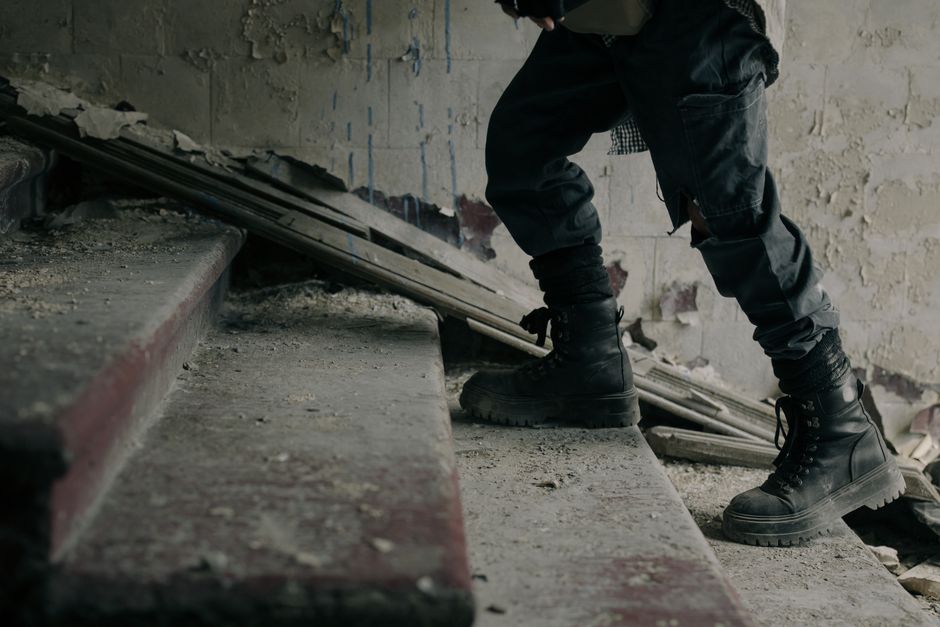
Why Difficult access removals Hackney tenement stair challenges Matters
Hackney has plenty of older housing stock, and tenement-style stairs can be a real obstacle. The issue is not just "narrow stairs" in the abstract. It is the whole environment: tight corners, steep rises, short landings, door frames that were never designed with modern furniture in mind, and the occasional awkward encounter with a neighbour trying to get past with shopping bags. You know the scene.
These conditions matter because removals are a risk management exercise as much as a lifting task. A move that looks straightforward from the hallway can quickly become expensive if items are damaged, walls are marked, or the team has to spend double the expected time manoeuvring one oversized piece. For homeowners, tenants, landlords, and students alike, this can affect budgets, building relationships, and move-out deadlines.
There is also the emotional side. Moving already asks a lot of people. If the stairwell is hostile, everyone gets tired quicker, patience thins out, and small errors start to multiply. In our experience, the best Hackney stair moves are the ones planned before the first box is touched.
If you are working through a wider move, it can help to look at the bigger picture too, especially if you are choosing between house removals, office removals, or a more compact man and van service.
How Difficult access removals Hackney tenement stair challenges Works
A difficult access move usually starts with assessment. Not a vague "yes, that should be fine", but a proper look at the staircase, the property layout, the furniture dimensions, and the route from the front door to the vehicle. That route is often where the real complications hide.
Here is what professional planning typically involves:
- Measure the largest items such as sofas, beds, wardrobes, desks, mirrors, and white goods.
- Check stair width, landing size, and turns so the team knows whether items can be carried upright, angled, or dismantled.
- Identify pinch points like low ceilings, sharp bannister edges, tight door swings, or communal hall clutter.
- Decide whether items should be disassembled before the move, especially bulky furniture.
- Plan the loading order so the most awkward items are handled when the crew is freshest.
- Protect surfaces with blankets, covers, or floor protection where appropriate.
- Build in time for access delays because stairs can slow a move more than distance does.
The key point is that a tenement stair challenge is not solved by strength alone. Technique matters. So does teamwork. Often, one person leads the item, another controls the lower end, and a third guides the turn or keeps an eye on the walls. Slow is smooth, smooth is fast. A bit of old removal wisdom there, and it still holds up.
For moves where the staircase is only part of the problem, you may also want to compare the practical fit of man with van support against fuller removal services.
Key Benefits and Practical Advantages
Choosing a properly planned difficult-access move brings a few very real benefits, and not just the obvious one of getting things from A to B.
- Reduced damage risk for furniture, paintwork, bannisters, and door frames.
- Less stress on move day because the route and the heavy items are already understood.
- Better time control when the crew knows the access constraints in advance.
- Safer handling for the people doing the lifting, especially on steep or awkward stairs.
- More accurate pricing when the job has been described honestly from the start.
- Improved neighbour relations because the move is less chaotic in shared hallways.
The biggest advantage, truth be told, is predictability. An experienced team can usually deal with the awkwardness. What creates trouble is uncertainty. A staircase that was never mentioned, a wardrobe that was "roughly standard size", or a piano that turns out to be anything but standard. That is where delays creep in.
For customers who need a quick response, this same planning mindset also helps when comparing same-day removals in Hackney with more scheduled options.
Who This Is For and When It Makes Sense
Not every move needs specialist planning. But if any of the situations below sound familiar, it is worth treating the access as a proper factor rather than a footnote.
- You live in a top-floor tenement flat with narrow internal stairs.
- Your furniture includes bulky or fragile items that do not flex easily.
- The stairwell has tight corners, shallow landings, or steep steps.
- You are moving on a deadline and cannot afford repeated trips because of access delays.
- The property has shared corridors or a small communal entrance.
- You are moving a student flat, rental flat, or landlord-managed property where move-out timing is tight.
- You have items like wardrobes, beds, or instruments that may need partial dismantling.
This also applies to families, not just single occupiers. A two-bedroom flat can easily contain more awkward items than a bigger house with a simpler stair route. And if you are moving somewhere like Dalston or Hackney Wick, where building access can be especially fiddly, the old "we'll just see on the day" approach is a gamble. Not a great one either.
Useful related reading includes the Dalston flats removal checklist and the Hackney Wick narrow street guide, both of which speak to the same kind of planning mindset.
Step-by-Step Guidance
If you want the move to go smoothly, the best approach is simple: break it into stages. Sounds obvious, but on a stressful morning, obvious things are the first to vanish.
1. Start with a route check
Walk the route from the flat to the vehicle. Look for tight turns, obstructions, low light, trip hazards, and anything that might catch on an item. In tenement buildings, even a small hallway radiator can become an obstacle at just the wrong angle.
2. Measure the awkward pieces
Take the height, width, and depth of large furniture. Measure stair width too. It is better to know that a sofa will need to go up on end than to discover that halfway through the staircase. That moment is not fun for anyone.
3. Decide what should be dismantled
Some items move more safely in parts. Beds, wardrobes, shelving units, and certain desks may need disassembly. Keep screws, fixings, and fittings bagged and labelled. A tiny zip bag can save half an hour later. Honestly, it really can.
4. Protect the route
Use blankets or covers where appropriate. Protect floors if you can, especially where stairs are painted or a little worn. Old tenement surfaces can be surprisingly easy to scuff.
5. Pack by weight and access
Heavier boxes should be smaller and easier to carry. Lighter but bulky items can be packed separately. A big box full of books is one of those ideas that feels fine until you have to carry it down three flights.
6. Load in a sensible order
The moving vehicle should be packed so the most awkward items are accessible and the load stays secure. A good team will think ahead here, because a poorly packed van adds unnecessary handling later on.
7. Build in a little breathing room
Stair moves are rarely clockwork. If the job should take three hours, do not schedule your next appointment like it will definitely be 2 hours 15 minutes. Leave some slack. You will thank yourself.
Expert Tips for Better Results
The following details make a bigger difference than people usually expect.
- Photograph the staircase and any tight areas before moving day so the team knows what they are walking into.
- Keep communal areas clear if you can, because one abandoned umbrella stand can become a weird little bottleneck.
- Separate fragile items early rather than leaving them in mixed boxes.
- Use fresh packing tape on heavy boxes. Old tape gives up at the worst time.
- Label boxes by room and priority so unloading into a stair-heavy property is less chaotic later.
- Tell the team about restrictions honestly, including parking issues, time windows, or neighbour sensitivities.
One of the best tips? Be realistic about what can be carried safely. A wardrobe that technically fits may still be a nightmare if it has to turn three times on the stairs. "Fit" and "fit comfortably" are not the same thing. That small difference matters.
If you are weighing up what kind of moving support you need, the wider services overview is a good place to understand the scope before you book.

Common Mistakes to Avoid
Most difficult access issues are manageable. The problems usually come from avoidable mistakes.
- Underestimating the staircase and assuming "narrow" means "fine really".
- Forgetting to measure the biggest item, especially sofas and wardrobes.
- Packing heavy boxes too full, which makes stair carrying slower and riskier.
- Leaving dismantling tools until the last minute.
- Not checking parking or unloading access outside the building.
- Booking the wrong type of help for the size and complexity of the move.
- Failing to mention fragile or high-value items such as mirrors, artwork, or instruments.
There is also a quieter mistake: not asking questions. If something looks tight, ask about it. If a room is full of awkward furniture, mention it. If the building has a tricky entrance or shared stairwell, say so early. A moving crew can work around a lot, but they cannot work around hidden information.
For related pricing pitfalls, the article on avoiding hidden charges in Hackney removals is worth a look.
Tools, Resources and Recommendations
You do not need a van full of specialist gear to handle a tenement stair move, but a few sensible tools help a lot.
- Furniture blankets for surface protection.
- Straps and tie-downs to keep loads secure.
- Protective gloves for grip and handling.
- Dolly or sack truck where stair geometry allows it.
- Basic tool kit for dismantling beds and flat-pack furniture.
- Labels and marker pens for clearer packing.
- Bubble wrap or wrapping paper for fragile edges and corners.
As for recommendations, the most useful one is to work with a team that understands stairs, not just lifting. That distinction sounds small, but it changes the whole experience. A crew used to man with a van jobs in Hackney may be perfectly suited to smaller access-heavy moves, while larger, fuller properties may suit more complete removal company support.
It can also help to review practical extras like storage in Hackney if you are moving in stages, or recycling and sustainability if you are clearing out items that should not travel with you.
Law, Compliance, Standards, or Best Practice
For stair-heavy removals, the main concern is not a single dramatic law, but everyday duty of care. In the UK, removals should be carried out with sensible handling practices, care for property, and attention to safety. That usually means risk-aware lifting, careful route planning, and clear communication about what is being moved and how.
In practical terms, best practice includes:
- avoiding unsafe manual handling where an item is clearly too awkward for one person;
- using appropriate equipment when needed;
- protecting the building and shared areas where reasonable;
- communicating any known hazards before work starts;
- making sure the service terms are understood in advance.
If you want reassurance on operating standards, it is sensible to review pages such as health and safety policy, terms and conditions, and complaints procedure. Those pages help set expectations in a plain, transparent way.
And if you are checking how your belongings are treated during transit and handling, the insurance and safety information is worth reading before you book. No one likes boring admin, but this is the kind of boring that matters.
Options, Methods, or Comparison Table
There is more than one way to approach a difficult access move. The right choice depends on item size, budget, building layout, and how much help you want on the day.
| Approach | Best for | Strengths | Limitations |
|---|---|---|---|
| Small man and van move | Light flats, fewer items, quick turnarounds | Flexible, often efficient, good for short notice | May struggle with very bulky furniture or multiple heavy items |
| Full removals service | Larger flats, family moves, more furniture | More planning, more manpower, better for awkward access | Usually costs more than a basic load-and-go option |
| Partial dismantling and carry | Wardrobes, beds, shelving, tight staircases | Often the best way to make awkward items workable | Requires time, tools, and careful reassembly later |
| Storage-first move | Staged moves, refurbishment gaps, uncertain dates | Reduces pressure when access or timing is messy | Involves extra planning and an additional logistics step |
For many Hackney tenement stair moves, the sweet spot is a well-organised small team with the right equipment and enough time. Not too big, not too rushed. Just properly matched to the job.
Case Study or Real-World Example
Picture a second-floor flat in Hackney with a narrow staircase, one sharp turn, and a large wardrobe that has survived three years of rental life and is now determined to leave the building intact. The resident thinks it should come down as one piece. The stairwell, however, has other ideas.
The moving team starts with a check of the wardrobe dimensions and the stair width. They quickly see that keeping it assembled would risk damage to the banister and a very unhappy landing. So they dismantle the wardrobe doors first, remove shelves and fittings, bag the screws, wrap the panels, and carry the parts separately. A bed frame is handled the same way. The sofa, meanwhile, is rotated carefully on the landing and moved one step at a time.
The result? No wall scuffs, no frantic shoving, no emergency "why is this not moving?" moment. It takes a bit longer than a simple ground-floor load, of course. But the move stays calm, and calm moves are usually the ones people remember in a good way.
That is the real lesson with difficult access removals: the job gets easier when you respect the building instead of fighting it.
Practical Checklist
Use this checklist before moving day. It will not solve everything, but it will remove a lot of avoidable stress.
- Measure the largest furniture items.
- Measure stair width, landings, and door openings.
- Identify anything that needs dismantling.
- Pack heavy items into smaller boxes.
- Label fragile boxes clearly.
- Clear hallways, floors, and entrances where possible.
- Confirm parking and unloading arrangements.
- Tell the mover about tight turns or low ceilings.
- Set aside tools, tape, and fixings.
- Keep essentials separate for quick access on arrival.
- Share any concerns about fragile, antique, or high-value pieces.
- Allow extra time, because stairs do not care about your calendar.
One small but useful habit: place a note on the items that are most awkward to carry first. That way, nothing gets buried under a pile of ordinary boxes. Little thing, big difference.
Conclusion
Difficult access removals in Hackney are not unusual, and tenement stair challenges are very manageable when the job is planned properly. Measure first, pack sensibly, communicate clearly, and choose help that understands the building as well as the boxes. That approach saves time and keeps the move feeling controlled, even if the stairwell is a bit of a beast.
If you are planning a move soon, review the wider support available through removals in Hackney, explore packing help if you need a hand with prep, and take a look at about us to understand the service approach before booking.
Get a free quote today and see how much you can save.
And if the stairwell still looks intimidating, that is fine. Most of them do at first. With the right plan, it becomes just another move, one careful step at a time.

Devoted to the meticulous organization of home and office removals, Rod is a seasoned removals manager with extensive experience. His proficiency guarantees the meticulous planning and execution of moves that cater comprehensively to the unique needs of clients.


