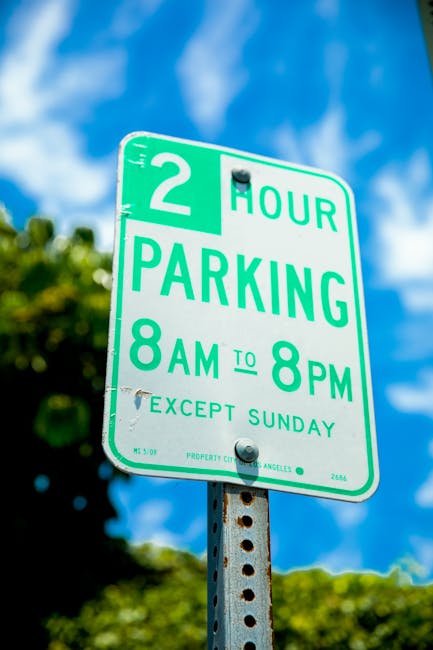
Hackney Council parking permit rules for removal vans: a practical guide for a smoother move
If you are moving in Hackney, parking can become the part of the day that turns calm planning into last-minute stress. The rules around Hackney Council parking permit rules for removal vans are there to keep traffic moving and streets workable, but they can catch people out if they only think about the boxes and not the kerb space. The good news? Once you understand the basics, it becomes much easier to plan a legal, efficient move without the awkward moment of a van circling the block with nowhere to stop.
This guide explains what the parking rules usually mean in practice, why they matter for removals, how to prepare properly, and where a professional mover can help. If you are comparing services too, you may also want to look at man and van, removal van, and house removals options while you plan the logistics.
Table of Contents
- Why Hackney Council parking permit rules for removal vans matters
- How Hackney Council parking permit rules for removal vans works
- Key benefits and practical advantages
- Who this is for and when it makes sense
- Step-by-step guidance
- Expert tips for better results
- Common mistakes to avoid
- Tools, resources and recommendations
- Law, compliance, standards, or best practice
- Options, methods, or comparison table
- Case study or real-world example
- Practical checklist
- Conclusion
- Frequently asked questions
Why Hackney Council parking permit rules for removal vans Matters
Parking is not a side issue on moving day. It can decide whether your van gets close enough to the front door, whether loading is quick or painfully slow, and whether your movers are forced into multiple trips because they cannot stop safely nearby. In Hackney, where streets can be tight, heavily parked, and busy from early morning onward, this becomes even more important.
The removal van itself is usually the easiest part to understand. What trips people up is the parking side: controlled bays, single yellow lines, residents' restrictions, timed loading allowances, and the possibility that a larger vehicle may need more space than your normal car. If you get that wrong, the move can still happen, but it may be slower, more expensive, and frankly more annoying than it needs to be. And nobody wants to start a move already frazzled.
There is also a trust angle here. When a removal company understands local parking conditions, it can plan realistic arrival windows, protect access routes, and reduce the risk of fines or avoidable delays. That is especially helpful if you are arranging a house move, an office move, or a short-notice job where every minute matters. For commercial relocations, the planning often sits alongside services like commercial moves and office removals, where parking access can be even more time-sensitive.
Expert summary: the real job is not just moving items from A to B. It is securing legal, practical curbside access so the van can load quickly, safely, and without avoidable disruption.
How Hackney Council parking permit rules for removal vans Works
In plain English, the rules usually revolve around whether a removal van can stop where you need it to stop, for how long, and under what restrictions. Hackney, like other London boroughs, manages parking through controlled parking zones, permit-based bays, loading rules, and enforcement arrangements that can vary by street and time of day. The exact restrictions depend on the location, signage, and the type of bay or road marking in front of the property.
For a removal, the practical question is usually one of these:
- Can the van park directly outside or very nearby?
- Is there a loading bay or short-stay space that can be used for the move?
- Is a permit, dispensation, or temporary arrangement needed?
- Will the vehicle size affect what is possible on a narrow street?
That last point matters more than people expect. A small moving van may fit into a space where a larger removal truck simply will not. If you are hiring something more substantial, take a careful look at options like moving truck and removal truck hire so you can match the vehicle to the street, not just to the volume of furniture.
Here is the important practical bit: do not assume that because a van is "just for loading" it can stop anywhere. In real life, enforcement is often based on the restriction in place, not the intention behind the stop. A permit or allowance may be needed, or a different parking strategy may be wiser. That is why checking the property frontage, the closest bay, and the hours of restriction should happen before moving day, not on the morning of the move while someone is trying to carry a wardrobe downstairs.
Key Benefits and Practical Advantages
Getting the parking side right offers more than just peace of mind. It changes the whole pace of the move.
- Faster loading and unloading: shorter walking distances mean fewer trips and less handling.
- Lower risk of fines or penalties: you are less likely to face avoidable enforcement issues.
- Less damage risk: when the van is closer, heavy items spend less time on pavements, stairs, and tight corners.
- Better crew efficiency: movers can focus on safe handling instead of fighting for space.
- Less stress for you: the day feels organised rather than improvised.
There is a quieter advantage too. Good parking planning gives the move a rhythm. You will notice it immediately: fewer pauses, fewer "where can we put this?" moments, fewer awkward shuffles around parked cars. It simply feels more controlled.
For many people, this is the difference between a move that drags into the late afternoon and one that gets done with a bit of headroom. If you are also arranging packing help, it may make sense to pair parking planning with packing and unpacking services so the whole day runs as one joined-up job rather than separate little emergencies.
Who This Is For and When It Makes Sense
This topic matters to a surprisingly wide group of people. If you are moving into or out of Hackney, you are probably in scope. But some situations make it especially relevant.
Home movers
Home moves often involve early starts, heavier furniture, and streets where access is already limited by resident parking. If your sofa, bed frame, or white goods need to be moved quickly, the closer the van can park, the better. For family relocations or flat moves, services such as home moves and house removals are usually the most relevant starting points.
Flat movers with tight access
Stairwells, narrow frontages, and limited kerb space can make loading slower than expected. If the road outside is busy, the permit or parking strategy becomes central to the day. No point pretending otherwise.
Business owners and office teams
Office moves can involve desks, chairs, boxed files, monitors, and equipment that need careful handling. Parking access is often one of the first things that determines whether the move stays on schedule. If that is you, start with office relocation services or removal services and build the parking plan around the building, not the other way around.
People booking a man and van
If you are hiring a smaller vehicle for a lighter move, the parking issue may be simpler, but it does not disappear. A compact van can still face the same restrictions as a larger one, and sometimes a small vehicle is the only realistic way to get close to the property. In that case, a well-planned man with van or man with van removal service can be very practical.
Step-by-Step Guidance
If you want the move to go smoothly, use a simple process. Nothing fancy. Just a tidy sequence that checks the real-world basics.
- Check the exact address and street layout. Look at where the van could actually stop, not just where you wish it could.
- Read the parking signs carefully. Pay attention to bay type, restrictions, hours, and any loading information.
- Measure the space if needed. A quick visual is often enough, but for tight streets, rough dimensions can help you decide whether a large van is sensible.
- Ask whether a permit, dispensation, or temporary parking arrangement is needed. The answer depends on the street and the type of vehicle.
- Plan the move time around restrictions. If the street is less restricted early in the day, that may be the simplest window.
- Tell the removal company what the access is like. Be honest about narrow roads, shared driveways, timed restrictions, and stairs.
- Prepare the property frontage. Clear the hallway, keep boxes staged, and make sure the route from door to van is as short as possible.
- Have a backup plan. If the prime spot is taken, what is Plan B? A side street? A short carry? A second helper?
A useful rule of thumb: if you are unsure, plan for more access difficulty than you hope to have. That sounds pessimistic, but it saves headaches. Hackney streets can surprise you. One minute it looks fine, the next a delivery vehicle is in the only sensible stopping place and everything changes.
If you are booking in advance, check the company's process for prices and scheduling through pricing and quotes. A decent quote conversation should include parking and access questions, not just item lists.
Expert Tips for Better Results
A few small choices can make the difference between a neat move and a messy one.
- Use the smallest suitable vehicle. Bigger is not always better, especially on tight residential roads.
- Keep the load sequence logical. Put the most awkward items near the exit so they are not trapped behind smaller boxes later.
- Reserve mental space for delays. If the street is busy at school run time or during a commuter rush, build in slack.
- Take photos of the parking signs and frontage. This can help if there is confusion later.
- Label boxes by room. It sounds basic, but when unloading is faster, parking time becomes less critical.
- Brief everyone involved. The driver, helpers, and anyone unlocking the property should understand the plan before the van arrives.
One small but genuinely useful tip: if you can avoid the "let's just park and see" approach, do it. That approach is fine for an impulsive coffee stop, not for a removal. Moves reward preparation more than optimism.
For more complex jobs, especially where the crew needs to manage access, handling, or insurance concerns, it can help to review insurance and safety and the company's health and safety policy before booking.
Common Mistakes to Avoid
People usually do not get into trouble because they are careless. They get into trouble because they assume the parking side will work itself out. It rarely does.
- Assuming the van can stop on any yellow line. Restrictions still apply and enforcement does not care that you are carrying a bookshelf.
- Not checking the street on the actual day of the week. Some restrictions are time-based, so the day matters.
- Booking the wrong size vehicle. A huge truck can be overkill and may create its own parking problem.
- Leaving permit questions until the last minute. This is probably the most common headache.
- Forgetting about neighbours, bin days, or school traffic. These little things can make access harder than expected.
- Not telling the mover about awkward access. If they do not know, they cannot plan for it.
There is also the "it will be fine because it's only for an hour" mistake. An hour is long enough for a loading ticket or parking enforcement issue to become very real. Better to sort it before the van arrives and leave the guesswork behind.
Tools, Resources and Recommendations
You do not need complicated software to manage a removal in Hackney, but a few practical tools help a lot.
- A street view of the property frontage: useful for planning where the van might stop.
- A simple measuring tape: handy if you want to judge doorway widths or street clearance.
- A printed move plan: old-fashioned, yes, but brilliant when phones are buried in boxes.
- A contact list: include the driver, the property contact, and anyone with keys.
- A room-by-room box list: helpful when unloading is fast and you want items in the right place immediately.
From a service perspective, it often makes sense to work with a provider that understands removals from the ground up, not just transport in isolation. Pages like removal company, removal company alternatives such as removal companies, and movers can be useful if you want one team to manage planning, lifting, and loading sensibly.
If your move includes unwanted furniture or items that need clearing out first, furniture pick up and recycling and sustainability may also be relevant. That can reduce clutter before the moving day even begins. Quietly, that is a relief.
Law, Compliance, Standards, or Best Practice
Parking and loading rules are not just about convenience. They sit within a wider framework of local traffic management, parking enforcement, road safety, and civil compliance. Because these rules can vary by street and time, the safest approach is to treat signage and local restrictions as the deciding factor rather than assumptions based on previous moves elsewhere in London.
For removals, best practice usually means:
- using the correct vehicle for the property access;
- checking restrictions before the move;
- avoiding obstruction where possible;
- keeping the loading process efficient;
- and ensuring drivers act in line with local parking controls.
If you are in any doubt, it is better to choose a more cautious plan than to risk a ticket or a difficult confrontation with the road layout. To be fair, the safest move is often the least glamorous one: slightly earlier, slightly smaller, slightly better prepared.
Professional removals teams should also work with sensible handling standards, insurance awareness, and safe lifting habits. That is why looking at man and van removals, removals, or removals near me can be useful when you want a practical service rather than just a vehicle.
Options, Methods, or Comparison Table
There is more than one way to handle a Hackney move. The right choice depends on street access, volume, urgency, and how much help you want on the day.
| Option | Best for | Pros | Watch-outs |
|---|---|---|---|
| Small man and van | Light to medium moves, tight streets | Easier parking, flexible access, often quicker to position | May require more trips if there is a lot to move |
| Standard removal van | Typical home moves | Good balance of capacity and manoeuvrability | Still needs parking planning in controlled streets |
| Larger removal truck | Bulkier moves or full-house relocations | More capacity, fewer trips | Harder to park on narrow Hackney roads |
| Full removals service | Busy moves, fragile items, office relocations | More support, better coordination, less stress | Usually needs the most careful planning in advance |
If you are unsure, a smaller and more manoeuvrable vehicle is often the safer choice in Hackney unless you know the street well. That said, the best choice is the one that matches the property and the parking restrictions, not just the furniture count. You can also compare a more hands-on service with man with a van and a larger-scale job through removal van or moving van options.
Case Study or Real-World Example
Imagine a two-bedroom flat move from a Hackney side street on a weekday morning. The property is on a road with busy resident parking, a narrow frontage, and only a small stretch where a van can reasonably stop without blocking the flow. Nothing dramatic, just one of those London streets that always feels a bit full.
The first attempt is to arrive with a large vehicle and "find space on the day." That sounds efficient, but in practice it creates circling, double-handling, and stress. Instead, a better plan is to use a more compact van, arrive early in the quieter part of the morning, stage boxes by the door, and keep the loading route short. The moving team knows in advance where it can stop, the property contact is ready, and the move stays tight and tidy.
What changes? The team spends less time waiting for parking and more time moving items. The customer is less anxious. The day still involves effort, of course, but it feels organised. That is the real win.
For many readers, this is the practical shape of a successful Hackney move: not perfection, just proper planning. And honestly, that is enough.
Practical Checklist
Use this checklist before moving day.
- Confirm the exact address and property access.
- Check parking signs, bay markings, and time restrictions.
- Decide whether a permit, loading arrangement, or alternative stopping place is needed.
- Choose a vehicle size that suits the road as well as the load.
- Tell the mover about stairs, narrow hallways, or long carries.
- Pack and label boxes so unloading is faster.
- Prepare a backup plan if the nearest space is occupied.
- Review insurance and safety arrangements if fragile or heavy items are involved.
- Set a realistic move time, especially if parking is tighter at certain hours.
- Keep keys, phones, and contact details easy to reach on the day.
If you want a more streamlined move, it is worth combining this checklist with a professional service that already understands the local picture. That may include house movers, house removalists, or a more flexible man with van removal setup depending on the size of the job.
Conclusion
Hackney Council parking permit rules for removal vans can feel like a small detail at first, but they often shape the whole moving experience. If you get the parking right, everything else becomes easier: loading is faster, the crew works more safely, and the day feels much less chaotic. If you get it wrong, even a simple move can turn into a slog.
The best approach is straightforward. Check the street, read the signs, choose the right vehicle, and plan the move around real access rather than hopeful assumptions. That one bit of preparation usually pays for itself in time, energy, and peace of mind.
If you are still weighing up the right level of help, compare your options carefully, ask the awkward parking questions early, and choose the service that fits your street as well as your belongings. A little planning now saves a lot of carrying later. That part never really changes.
Get a free quote today and see how much you can save.
Frequently Asked Questions
Do I need a parking permit for a removal van in Hackney?
It depends on the street, the parking restrictions in force, and whether there is a loading bay or another lawful stopping option nearby. Some moves can be managed with existing restrictions and timing, while others may need a temporary arrangement. The safest approach is always to check the exact location before moving day.
Can a removal van park on a single yellow line while loading?
Not automatically. Loading exemptions and local rules can vary, and they are not something to assume. The sign, the time, the bay type, and the local restriction all matter. If there is doubt, plan for a proper stopping place rather than hoping for an exception.
How far in advance should I plan parking for a move?
As early as possible. For a straightforward move, a few days may be enough to review the street and arrange the vehicle. For a busy road, a larger home, or an office relocation, earlier planning is much better. Last-minute parking planning tends to be the bit people regret.
What size van is best for Hackney streets?
Often a smaller or medium-sized van is easier to manage on narrow residential roads, but the right choice depends on the amount you are moving. A larger vehicle may reduce trips, but if it cannot park close enough, it can slow the whole job down. Match the van to the street, not only the load.
What happens if the parking space outside my home is already taken?
That is common in London. The move may still go ahead if the team has a backup spot nearby, but the carry distance may increase. This is one reason why a backup plan matters. In some cases, arriving earlier or using a more compact vehicle helps avoid the issue altogether.
Do office moves in Hackney need different parking planning?
Usually yes, because office moves often involve more equipment, tighter schedules, and building access rules. The van may need to be parked close to entrances for a shorter loading window. If the move is commercial, it is worth exploring commercial moves and office relocation services options early.
Is a man and van service suitable for a Hackney flat move?
Very often, yes. A smaller van can be easier to position on a restricted street and may be ideal for a smaller flat or a light household move. If you do not have a huge volume of furniture, man and van removals can be a practical fit.
What if I only need a short stop to load the van?
Even a short stop still needs to fit the local rules. Some streets allow loading in specific ways, while others are stricter. The key is not the length of time alone, but whether the van is allowed to stop there at all. That part is easy to get wrong if you are rushing.
Should I book packing help as well as parking planning?
If you have a lot of items, yes, that can be a smart move. Faster packing usually means faster loading, which reduces the time the van needs to stay close to the property. Services like packing and unpacking services can make the whole day much smoother.
How can I reduce the risk of a parking fine on moving day?
Check the signs, confirm the street restrictions, choose the right vehicle size, and avoid last-minute assumptions. If your mover knows the access conditions in advance, they can usually plan more effectively. It is basic, but it works.
What should I tell my removal company before the move?
Give them the full picture: parking restrictions, road width, stairs, lift access, loading distance, and any times when the road is busier. Mention if you are unsure about permits or if the van might need to stop in a nearby street. The more honest the briefing, the better the plan.
Where can I find a reliable removal service for a Hackney move?
Look for a company that is comfortable handling local access issues as well as the lifting itself. Start with relevant pages such as removal services, removal company, and removals near me to compare the level of support you need.
And if you are standing there on moving morning with a mug of tea, a half-open box, and a van arriving soon, take a breath. Most moves become manageable once the parking piece is sorted, and then it is just a matter of getting on with it, one steady load at a time.