Hackney Wick man and van guide for narrow street moves
Posted on 18/06/2026
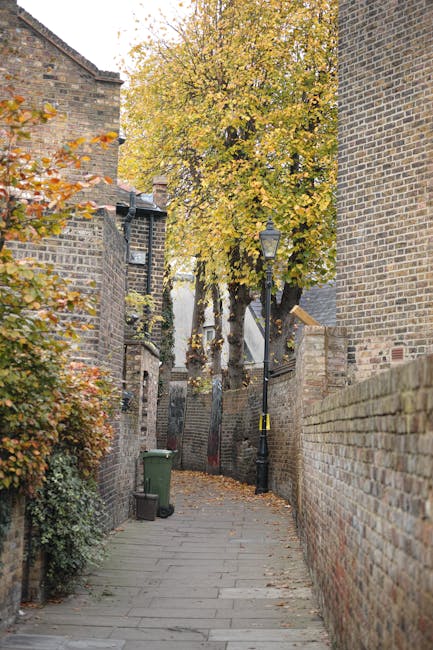
Hackney Wick Man and Van Guide for Narrow Street Moves
Moving in Hackney Wick can be a bit of a juggling act. Tight roads, parked cars, shared entrances, busy loading spots, and awkward stairwells all seem to appear at once. If you are planning a move here, a Hackney Wick man and van guide for narrow street moves can save you time, stress, and a few frustrating phone calls. The key is not just finding a van. It is choosing the right vehicle, timing the job properly, and understanding how to work around the realities of London streets without making the day harder than it needs to be.
This guide walks through what actually matters on narrow street moves in Hackney Wick: how a man and van service works, what to check before booking, how to protect your furniture, and when it makes sense to choose a bigger removal service instead. If you are moving a flat, a studio, a few bulky items, or even a full small property, you will find practical advice here rather than fluff. Lets face it, nobody wants a removals day that turns into an extended parking argument.
For readers who want a broader overview of local moving services, the services overview and man and van Hackney pages are useful starting points. If you already know you need a bigger team or a more structured move, the Hackney removals and house removals Hackney pages may fit better.
Table of contents
- Why narrow street moves in Hackney Wick need a different approach
- How a man and van move works in tight streets
- Key benefits and practical advantages
- Who this is for and when it makes sense
- Step-by-step guidance for a smoother move
- Expert tips that make a real difference
- Common mistakes to avoid
- Tools, resources and recommendations
- Law, compliance, standards and best practice
- Options and comparison table
- Real-world example from a narrow Hackney Wick move
- Practical checklist
- Conclusion
- Frequently asked questions
Why Hackney Wick man and van guide for narrow street moves Matters
Hackney Wick has its own moving rhythm. Some streets are straightforward enough, but many are not. You get tight bends, limited stopping room, shared access with neighbours, and stretches where a larger van would feel like a bad idea from the second it turns the corner. That is why a move here needs planning, not just muscle.
With narrow street moves, the biggest issue is usually access. A van that is too large can block the road, make reversing difficult, or simply fail to fit safely where you need it. A man and van setup is often the smarter choice because it gives you flexibility. You can match the vehicle size to the job, keep the loading process efficient, and avoid overpaying for space you never use.
There is also the human side. In local moves, the pressure tends to build in tiny moments: when you realise the sofa is wider than the stairwell, when a delivery truck has parked right where you need to stop, or when the lift has decided to sulk on moving day. A good moving plan helps you stay calm through those moments instead of improvising at the kerb.
If you are comparing service types, it may help to look at the difference between a standard man with a van in Hackney and more full-service removal services in Hackney. One is ideal for quick, compact jobs. The other is better when the move is bigger, slower, or more complex.
How Hackney Wick man and van guide for narrow street moves Works
A man and van move in a narrow street usually follows a simple pattern, but the success is in the details. First, the team assesses what needs moving, how much space is available, and whether the street can handle the van size. Then they plan arrival time, loading order, and the route in and out. That sounds basic, yet this is where many smooth moves are won or lost.
In practical terms, the process often includes:
- Pre-move assessment - You explain what is being moved, the pickup and drop-off addresses, and anything awkward such as stairs, heavy furniture, or narrow hallways.
- Vehicle selection - A smaller or medium van may be better than a larger removal van if access is tight.
- Loading plan - Heavier items go in first, fragile items are secured separately, and the loading order is designed to reduce shuffling.
- Access strategy - The driver decides where the van can stop safely, whether a second loading point is needed, and how to minimise time blocking the street.
- Transport and unload - The team moves items efficiently and keeps an eye on doors, walls, and tight corners.
That loading plan matters more than people think. A mattress laid flat in the wrong place can make everything else awkward. A dining table put on last, with no protection, can scratch under pressure from boxes. Small mistakes become bigger when there is not much room to work.
For certain jobs, especially if you have furniture with awkward dimensions, the support from furniture removals in Hackney is worth considering. The more bulky the item, the more important it is to know exactly how it will be carried, protected, and positioned inside the vehicle.
Key Benefits and Practical Advantages
There are good reasons why a man and van service is often the best fit for narrow streets in Hackney Wick. It is not just about size. It is about control.
- Better access - Smaller vehicles are easier to place in tight roads and side streets.
- Faster loading - When the van is close enough to the door, fewer trips are needed.
- Lower disruption - Shorter loading times mean less disturbance to neighbours and passing traffic.
- More flexibility - The job can be adjusted around street conditions, parking restrictions, and building access.
- Cost efficiency - You avoid paying for unnecessary capacity when moving a modest load.
Another practical advantage is pace. A good local mover understands that narrow street work is partly about rhythm. Park, load, secure, move, unload. No wasted motion. No wandering back and forth across the pavement while one box at a time gets reconsidered. The day feels lighter when the process is tidy.
If you are moving at short notice, the option of same day removals in Hackney can also be useful, especially for small flats, urgent furniture pickups, or a simple move across the borough. Not every job needs a long lead time, though it still helps to book early where possible.
Who This Is For and When It Makes Sense
This guide is most useful if your move falls into one of a few common Hackney Wick scenarios.
- Studio or one-bedroom flat moves - When you have a manageable amount of furniture and boxes.
- Student moves - When speed, affordability, and simple access matter more than a large truck.
- Furniture collections - Buying second-hand items or relocating one bulky piece.
- Small office or creative studio moves - Especially if the space is in a converted building or shared unit.
- Flat moves with awkward access - Narrow stairwells, basement entries, and limited parking are all common triggers for choosing a smaller van.
It also makes sense if you are in one of those in-between situations where you are not moving a whole house, but you still do not want to handle it yourself. That middle ground can be tricky. Truth be told, it is where people often underestimate the job.
For younger movers and university relocations, student removals in Hackney are often the neatest fit. For apartment-specific jobs, flat removals Hackney can be the more precise option. And if the move is part of a larger life change, the local guidance in Hackney housing advice from locals may help you think through timing, access, and move-in logistics.
Step-by-Step Guidance
If you want the move to feel manageable, follow a simple, practical sequence. This is the part people usually skip, then spend the afternoon regretting.
1. Measure the difficult bits first
Before you do anything else, measure the items that matter: sofa width, wardrobe height, mattress size, and any long tables or desks. Then check the entrance width, stair turns, hallway corners, and whether there is a lift. It only takes a few minutes, and it can save a very long day.
2. Check street access realistically
Stand outside the property if you can. Look at the actual road width, where a van could stop, and whether the safest place to load is around the corner rather than directly outside the door. In Hackney Wick, the obvious stop is not always the best stop.
3. Book the right vehicle size
Do not assume bigger is better. A medium van can often outperform a large one on narrow streets because it parks more easily and loads faster. If your move includes large furniture, you may still need a larger removal van, but only if the access supports it.
4. Pack in loading order
Pack your boxes so the first things needed are the last things loaded, or clearly marked for easy access. Heavier, sturdier items should be grouped together. Wrap delicate pieces properly. Loose cushions, lamp shades, and oddly shaped items tend to waste time if they are left until the end.
5. Protect both the property and the furniture
Use blankets, straps, and covers where appropriate. Corners and doorframes are the usual trouble spots. Anyone who has carried a wardrobe through a narrow hallway knows the sound: one tiny scrape and the whole room goes quiet for a second.
6. Build in a small timing buffer
London moves do not always run to the minute. Traffic, loading delays, and access issues can all eat into your schedule. A buffer of even 20 to 30 minutes can make the job feel far less frantic. Small gap, big comfort.
7. Confirm the handover details
Make sure the destination is ready before the van arrives. Keys, entry codes, lift access, and contact details should all be sorted. If the new place is a flat, check whether there is a loading bay or a preferred arrival window. A little organisation here makes a huge difference.
Expert Tips for Better Results
Here are the tips that tend to matter most in real narrow-street moves. Not theory. Not tidy brochure advice. Just the stuff that saves time.
- Use soft packing for awkward corners - Blankets and wraps reduce the risk of scrapes where hallways pinch in.
- Keep a clear "first-in, first-out" plan - Know which boxes you need immediately at the new place.
- Take photos of access points - If you are unsure whether a van can fit, images help the mover judge it properly.
- Separate fragile and heavy items early - Mixing them tends to create confusion at the kerb.
- Label items by room - Even if the move is small, this makes unloading far cleaner.
- Check for dropped kerbs and corners - The simplest stopping point is not always the safest one.
A useful habit is to think like the driver for a moment. Where would you stop? Where would you reverse? What would block the pavement? Once you do that, the move tends to become much easier to plan. You start spotting the bottlenecks before they slow you down.
If you want packing support as part of the move, packing and boxes Hackney and package and boxes Hackney are worth looking at. Good packing is one of those things that seems optional until the first awkward stairwell.
Common Mistakes to Avoid
Narrow street moves have a few classic mistakes. Most of them are avoidable.
- Booking a van that is too large - This is the big one. If access is tight, oversizing creates more problems than it solves.
- Assuming parking will be easy - It rarely is. Plan for a proper loading point instead of hoping one appears.
- Packing too late - Last-minute packing leads to weak boxes, missing labels, and a general sense of panic.
- Ignoring stair or lift restrictions - If the lift is small, slow, or unavailable, the whole move changes.
- Not protecting furniture edges - A little damage often happens at corners, not in the van.
- Underestimating the time needed - Even a small move can take longer than expected if access is awkward.
There is also a less obvious mistake: not telling the mover enough. If you leave out the heavy wardrobe, the narrow basement stairs, or the awkward basement entry, the plan is already off. Better to be too detailed than not detailed enough. No one minds extra context when the road is tight.
Tools, Resources and Recommendations
You do not need a mountain of equipment for a narrow street move, but a few practical tools make life easier.
| Tool or resource | Why it helps | Best used for |
|---|---|---|
| Furniture blankets | Protects surfaces from knocks and scratches | Tables, wardrobes, drawers, and appliances |
| Ratchet straps or tie-downs | Stops items shifting in transit | Heavier loads and mixed furniture |
| Bubble wrap and corner guards | Helps protect fragile edges and glass | Mirrors, frames, shelving, side tables |
| Clear labels | Speeds up unloading and room placement | Boxes, bags, and mixed household items |
| Sturdy boxes | Reduces collapse and keeps items organised | Books, kitchenware, documents, smaller belongings |
For some readers, storage is part of the puzzle too. That is especially true if the new place is not ready yet, or if you are moving in stages. In that case, storage in Hackney can provide breathing room while you sort the rest out.
If you are comparing service levels more broadly, the local removal van Hackney page can help you understand vehicle-based options, while man with van Hackney gives a useful sense of the lighter, more flexible side of the service mix.
Law, Compliance, Standards, or Best Practice
For a move like this, the important thing is not memorising law. It is understanding the normal standards that responsible movers follow. In the UK, that usually means sensible insurance practices, safe lifting methods, clear communication, and respect for property and public space.
Best practice generally includes:
- Safe loading and unloading - Items should be lifted, carried, and secured properly.
- Appropriate insurance and safety cover - You should know what is covered before the move begins.
- Care with public access - Pavements, entrances, and shared spaces should be left usable where possible.
- Fair and clear booking terms - You should understand timings, cancellations, and what happens if access changes.
It is also sensible to choose a mover that is transparent about its policies. Pages such as insurance and safety, health and safety policy, terms and conditions, and payment and security help build confidence before you book.
That sort of clarity matters more than people realise. If a job is straightforward, great. If it is not, you want a mover who has already thought through the tricky bits rather than improvising with your furniture in the street.
Options, Methods, or Comparison Table
If you are unsure whether a man and van service is enough, the simplest way to decide is to compare the options against the realities of the move.
| Option | Best for | Strengths | Limitations |
|---|---|---|---|
| Man and van | Small to medium moves, furniture collections, tight-access streets | Flexible, quick, easier to park | Less suitable for very large household moves |
| Removal van with larger team | Full flat or house moves with more items | More capacity, better for complex loading | Can be harder to manoeuvre in narrow streets |
| Full removal company | Large, multi-room, or high-pressure moves | More hands, more structure, more support | Usually more expensive and less nimble |
For a narrow Hackney Wick street, the man and van option often wins on practicality. But if your move includes multiple heavy items, specialist handling, or several flights of stairs, a more complete service may be the better call. Sometimes the smartest decision is simply the one that reduces friction.
If you want to compare local providers more widely, removal companies in Hackney and removal companies Hackney E5 are relevant next steps.
Case Study or Real-World Example
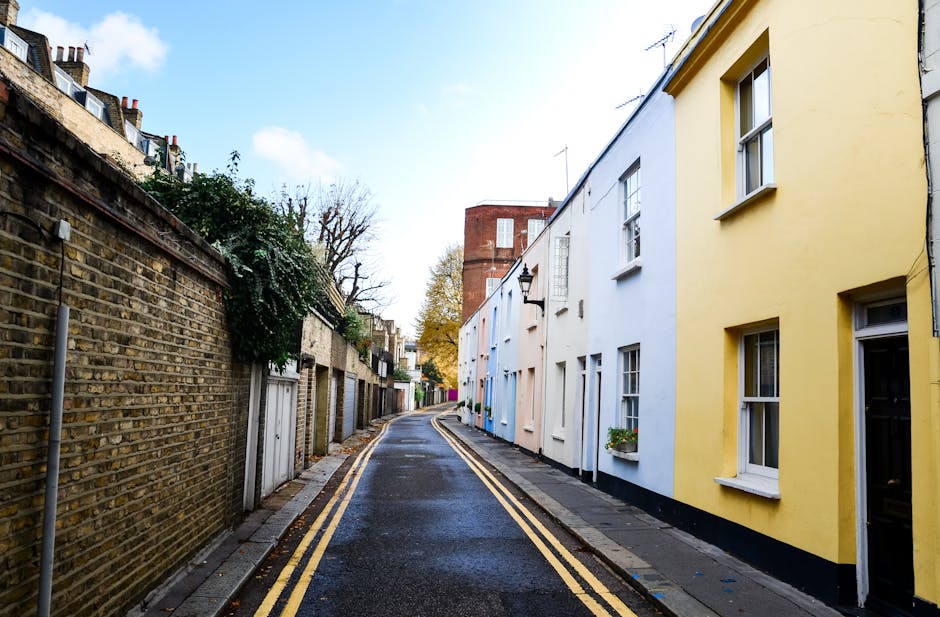
Picture a common Hackney Wick move: a one-bedroom flat on a narrow street near busy canal-side traffic, with a sofa, bed frame, desk, eight boxes, and two awkward plants that someone insists are "not heavy at all". The street has limited stopping space, and the building entrance opens onto a tight shared path.
The successful version of this move usually looks like this. The mover arrives in a van size that can stop without blocking the street for too long. The heaviest items are carried first, so the van is not repeatedly being reopened and reorganised. Fragile boxes are loaded separately. The sofa is protected before it leaves the flat, because dragging it unwrapped through a narrow corridor would be asking for trouble.
What made the difference? Not brute force. Planning.
The resident had measured the bed frame in advance, flagged the narrow turn by the stairwell, and kept the boxes labelled by room. The move still took effort, of course. It was not magic. But it felt controlled instead of chaotic, which is what people usually want on moving day, especially when the street is busy and everyone is trying not to be in each other's way.
That same kind of planning also matters for local life transitions more broadly. If your move ties into a sale, purchase, or change of tenancy, it can be worth reading related local posts such as Hackney housing transactions or Hackney property investments so the timing around your move makes a bit more sense.
Practical Checklist
Use this checklist a day or two before the move. It is simple, but useful.
- Measure large furniture and the tightest parts of the route.
- Confirm the van size is suitable for narrow street access.
- Check whether parking, stopping, or loading space is realistically available.
- Pack fragile items separately and label them clearly.
- Set aside essentials for immediate access at the new property.
- Protect furniture with covers, blankets, or wrap.
- Tell the mover about stairs, lifts, basement access, or awkward corners.
- Keep keys, codes, and contact numbers ready.
- Plan for a small time buffer in case of traffic or access delays.
- Check booking terms, safety information, and payment details before confirming.
Expert summary: On narrow Hackney Wick streets, the best move is usually the one that reduces friction, not the one that chases the biggest van. Measure first, book smart, protect everything, and leave a little room for the unexpected. That approach tends to pay off.
Conclusion
Moving through narrow streets in Hackney Wick does not have to be stressful. With the right van size, clear access planning, and a practical loading strategy, a man and van service can make the whole day feel much more manageable. The real skill is in the preparation. Once that is sorted, the rest usually follows.
If you are moving a flat, collecting furniture, or handling a small local relocation, choose the service that fits the street rather than forcing the street to fit the service. That small shift in thinking makes a big difference. And if you need extra support, there are plenty of local options to explore, from man and van Hackney to more complete removals in Hackney.
Get a free quote today and see how much you can save.
If you want to learn more about the company behind these services, the about us page is a good place to start, and you can also check customer feedback on the testimonials section. When you are ready, the contact us area makes it easy to take the next step.

Devoted to the meticulous organization of home and office removals, Rod is a seasoned removals manager with extensive experience. His proficiency guarantees the meticulous planning and execution of moves that cater comprehensively to the unique needs of clients.


